School Management ERP Software: Latest Trends Transforming Digital Education
Introduction: The Growing Importance of School Management ERP Software
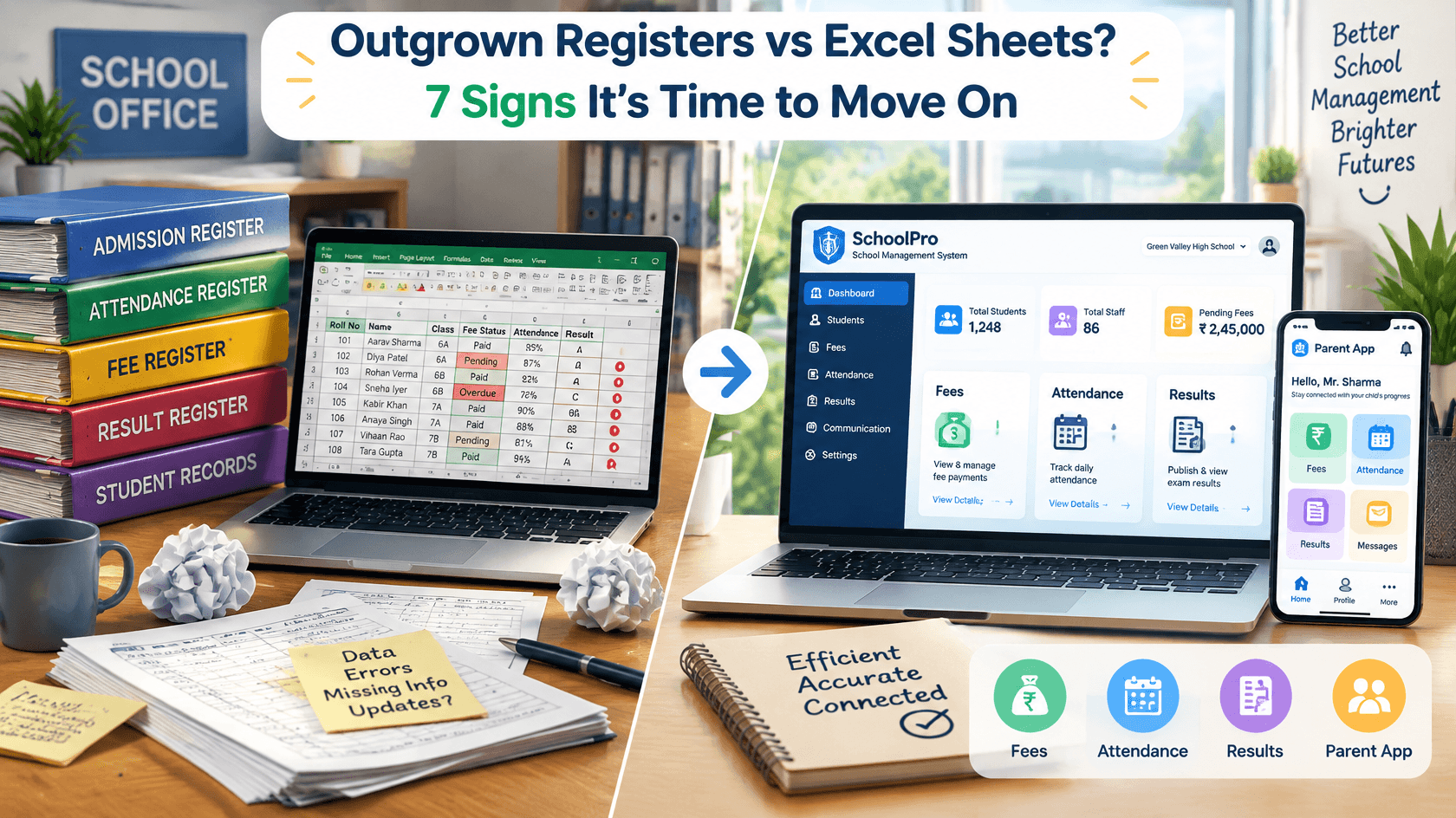
The education sector is undergoing a significant digital transformation as schools increasingly adopt technology to improve administrative efficiency, academic coordination, and communication. Traditional methods of managing student records, attendance, fee collection, examinations, and staff information are becoming less practical as educational institutions handle growing volumes of data and increasingly complex operational requirements.
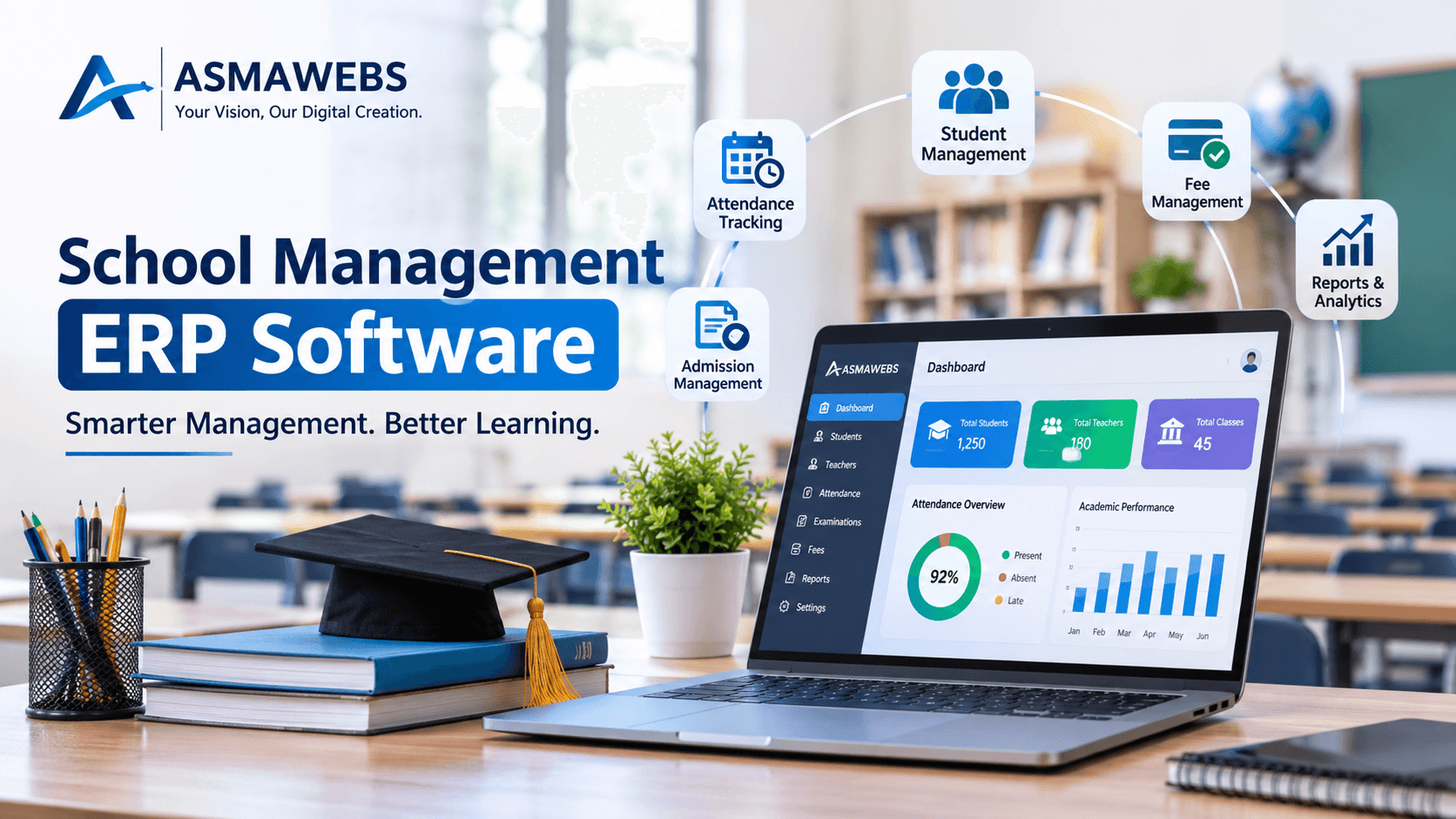
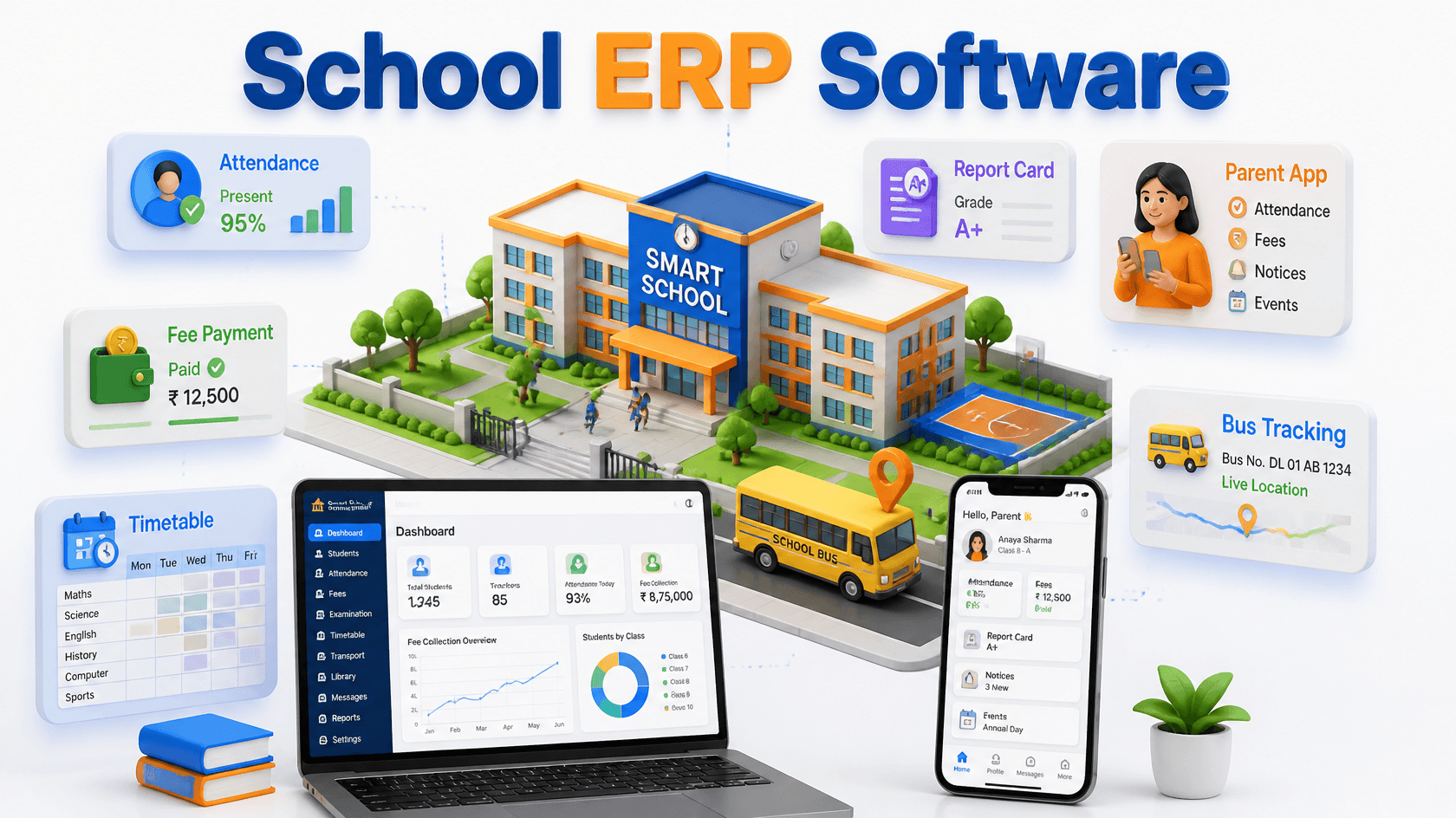
School Management ERP Software is emerging as an essential digital solution that brings multiple institutional functions together through a centralized platform. From student admissions and attendance tracking to financial management, examination scheduling, and parent communication, these systems help schools streamline everyday operations while improving information accessibility.
The growing adoption of cloud computing, artificial intelligence, mobile applications, and data analytics is further expanding the capabilities of modern School Management ERP Software. Rather than functioning as a basic administrative tool, it is evolving into an integrated digital infrastructure that supports institutional efficiency, transparency, and long term growth.
Take a look inside the School Management ERP Software with this insightfull complimentary sample report.
Latest Trends in School Management ERP Software
1. Cloud Based School Management ERP Software
Cloud technology is transforming how educational institutions manage administrative and academic operations. Cloud Based School Management ERP Software allows authorized users to access institutional information from different locations without depending on traditional on site infrastructure. Schools can manage attendance, admissions, fee payments, examination records, and staff information through a centralized platform. Growing internet accessibility, reduced infrastructure costs, automatic software updates, and flexible scalability are encouraging adoption. Cloud based platforms also support multiple campuses, making them particularly useful for expanding educational groups. This trend is strengthening the demand for accessible, secure, and scalable school administration solutions.
2. Artificial Intelligence Integration in School ERP Systems
Artificial intelligence is becoming an important technology in modern educational administration. AI enabled School Management ERP Software can support automated communication, student performance analysis, administrative assistance, and predictive reporting. Intelligent systems can identify attendance patterns, highlight students who may require additional academic support, and help institutions organize administrative workflows more efficiently. The increasing availability of AI tools, growing demand for personalized education, and improvements in data processing are driving this development. AI powered chatbots are also making it easier for parents, students, and teachers to access routine information. This trend is gradually shifting school ERP platforms toward more intelligent and proactive management systems.
3. Mobile Applications for Parents, Students, and Teachers
Mobile accessibility is changing communication between educational institutions and their stakeholders. Modern School Management ERP Software increasingly incorporates dedicated mobile applications that allow parents, students, and teachers to access important information through smartphones. Parents can monitor attendance, receive examination results, check fee payment status, and communicate with teachers. Teachers can update assignments, record attendance, and share academic notifications without depending entirely on desktop systems. Rising smartphone usage, demand for instant communication, and growing expectations for digital convenience are supporting this trend. Mobile first ERP platforms are therefore becoming an important part of the digital infrastructure of modern educational institutions.
4. Automated Fee Management and Digital Payment Solutions
Financial administration is one of the most important areas of school operations, and automation is improving how institutions manage fee collection. School Fee Management Software integrated with an ERP platform helps automate payment reminders, generate receipts, maintain financial records, and track outstanding balances. Integration with digital payment gateways also allows parents to complete transactions through convenient online methods. The growing adoption of digital payments and the need for accurate financial reporting are important factors supporting this development. Automated fee management reduces repetitive administrative work, improves payment transparency, and provides institutions with better visibility into their financial operations.
5. Data Analytics and Student Performance Monitoring
Data analytics is becoming increasingly valuable for educational institutions seeking better visibility into academic and operational performance. Advanced School Management ERP Software can consolidate attendance records, examination results, classroom performance, and student progress into structured dashboards. These insights help administrators identify performance patterns, evaluate academic outcomes, and recognize areas requiring improvement. Growing emphasis on measurable educational outcomes and evidence based planning is encouraging schools to adopt data driven management systems. Reporting tools can also simplify institutional reviews by presenting relevant information in accessible formats. As analytical capabilities improve, school ERP platforms are evolving from record keeping systems into valuable institutional intelligence tools.
6. Enhanced Cybersecurity and Data Privacy
As schools digitize student records, financial information, employee details, and institutional documents, cybersecurity has become a major technology priority. Modern School Management ERP Software is increasingly incorporating role based access controls, encrypted data transmission, secure authentication, regular backups, and activity monitoring. These capabilities help reduce unauthorized access and improve the protection of sensitive institutional information. Growing awareness of data privacy requirements, increasing cyber threats, and greater dependence on cloud platforms are driving investments in secure software infrastructure. Educational institutions are also paying closer attention to data ownership, backup policies, and vendor security practices when evaluating ERP solutions.
7. Integration of Learning Management Systems with School ERP
The integration of Learning Management Systems with school administration platforms is creating more connected digital education environments. Traditionally, academic learning tools and administrative software have operated separately, resulting in fragmented information and additional coordination efforts. Integrated School Management ERP Software can connect student profiles, attendance information, academic schedules, assignments, examination records, and learning resources within a coordinated ecosystem. The expansion of digital classrooms, blended learning models, and online academic resources is supporting this development. This integration helps teachers coordinate academic activities while enabling administrators to maintain better oversight of institutional operations and student progress.
8. Automation of Admissions and Administrative Workflows
Digital transformation is also changing how schools handle student admissions and routine administrative responsibilities. Automated admission management modules allow institutions to collect applications, maintain student documents, track application status, and organize enrollment records through a centralized system. Other administrative functions, including timetable scheduling, staff management, leave tracking, and certificate generation, can also be automated. Increasing enrollment complexity and the need to minimize paperwork are important adoption drivers. By reducing repetitive manual activities, School Administration Software allows institutional teams to focus more attention on academic coordination, student services, and operational planning.
School Management ERP Software: Market Opportunities and Integration Requirements
The increasing adoption of digital infrastructure across educational institutions is creating opportunities for software developers, technology providers, and digital transformation companies. In India, the scale of the education ecosystem highlights the potential for integrated administrative technology. According to the UDISE+ 2024 to 2025 report, the country's school education system crossed the milestone of one crore teachers, demonstrating the considerable scale of institutional coordination and information management requirements.
The growing demand for centralized administration, digital payments, cloud accessibility, and automated academic processes is strengthening the relevance of School Management ERP Software. However, successful implementation requires more than simply introducing software. Institutions need solutions that integrate admission management, student information, fee collection, attendance, examinations, staff administration, and parent communication within a unified platform. Customization, scalability, cybersecurity, mobile compatibility, and reliable technical support are becoming important selection criteria. Software providers capable of delivering flexible and user friendly ERP solutions are positioned to address the evolving requirements of educational institutions. As digital adoption expands, school ERP development represents a promising opportunity within the broader education technology industry.
Frequently Asked Questions
1. What is School Management ERP Software?
School Management ERP Software is an integrated digital platform designed to automate and manage the administrative, academic, and financial operations of educational institutions. It combines features such as student admissions, attendance tracking, fee management, examination records, staff administration, timetable scheduling, and parent communication within a centralized system.
2. What Are the Latest Trends in School Management ERP Software?
The latest trends in School Management ERP Software include cloud based platforms, artificial intelligence integration, mobile applications, automated fee collection, data analytics, advanced cybersecurity, and Learning Management System integration. These technologies are improving administrative efficiency, information accessibility, communication, and institutional management.
3. How Does Cloud Based School ERP Software Benefit Educational Institutions?
Cloud based School ERP Software allows institutions to access information securely through internet connected devices without maintaining extensive local server infrastructure. It supports centralized data management, remote accessibility, automatic updates, easier scalability, and coordination between multiple campuses.
4. Why Is Artificial Intelligence Important in School Management ERP Software?
Artificial intelligence improves School Management ERP Software by supporting automated communication, predictive analytics, student performance monitoring, and intelligent administrative assistance. These capabilities help institutions identify patterns, reduce repetitive tasks, and make more informed operational decisions.
5. What Features Should Schools Look for in School Management ERP Software?
Educational institutions should evaluate School Management ERP Software based on its ability to manage student information, admissions, attendance, fee collection, examinations, staff records, timetable scheduling, and parent communication. Important additional considerations include cloud accessibility, mobile compatibility, data security, customization, scalability, reporting capabilities, and technical support.
Transform Your School Operations with Smart Digital Solutions
Looking for smarter ways to manage school administration and academic operations?
ASMAWEBS delivers customized software development solutions designed to simplify business processes, improve operational efficiency, and support digital transformation.
Explore our software development services and discover smarter digital possibilities.
Website: https://asmawebs.com/
Email: info@asmawebs.com